Why do so many "healthy" organic foods still fall short?
Over the past decade, India has witnessed an explosion of "organic" labels in grocery stores and on restaurant menus. Consumers associate these words with purity, nutrition, and sustainability.
But here's the hard truth: even with this organic boom, India continues to face soil degradation, micronutrient loss, and health imbalances.
If organic was truly the answer, why are these problems worsening?
Because the issue isn't just what we eat - it's how our food is grown. The majority of organic systems still rely on externally purchased "organic inputs," which do little to improve soil fertility naturally. Over time, the soil loses its vitality, biodiversity, and living microbial balance, the real foundation of nutrition.
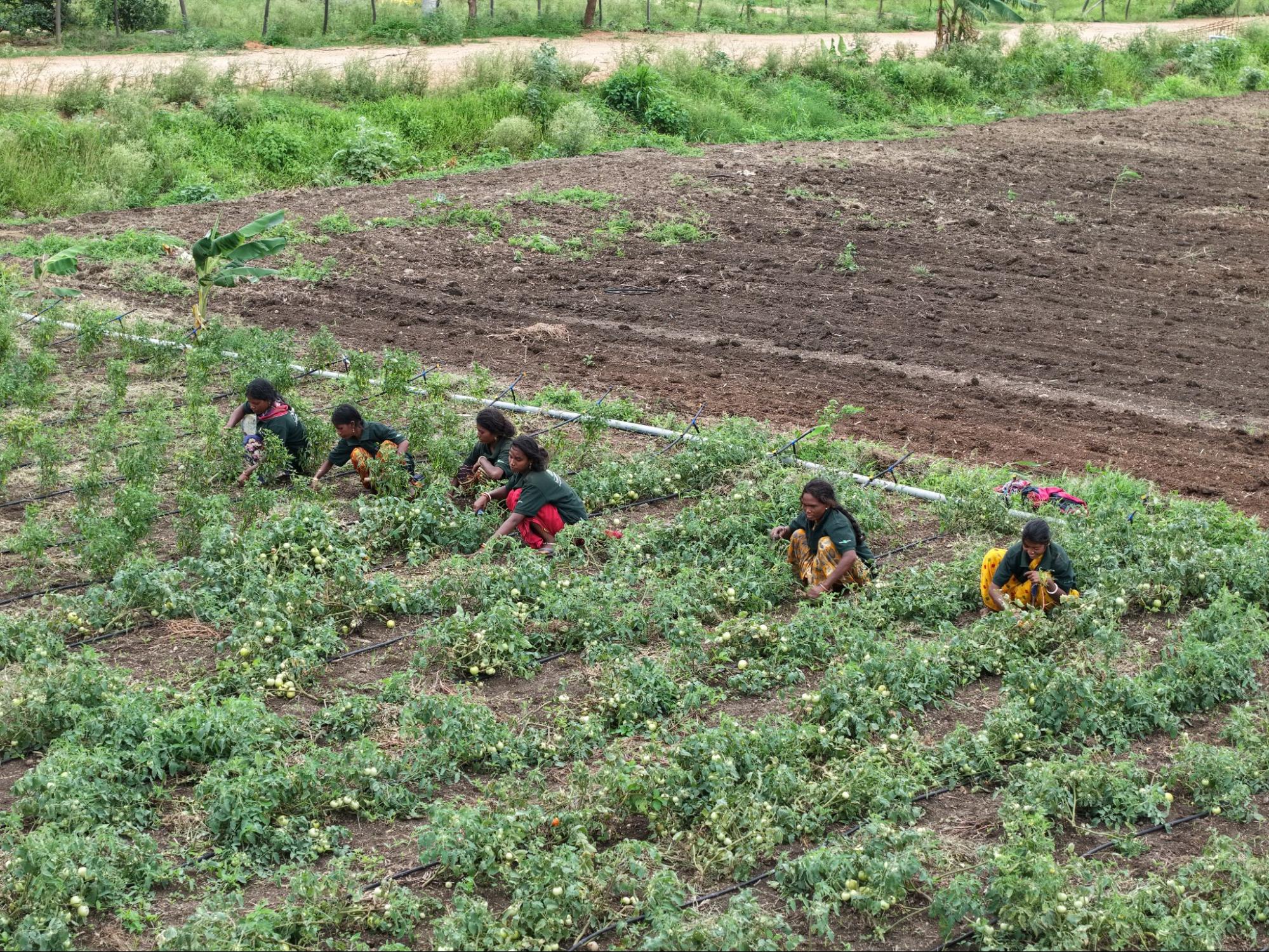
Is organic farming enough? What does it leave unanswered?
Organic farming was a much-needed correction to chemical agriculture. It eliminated harmful pesticides and reduced environmental pollution. But as many farmers have discovered, it's a halfway house, not the final solution.
Organic systems are often input-driven - dependent on compost, certified organic fertilisers, and market-bought bio-pesticides.
This approach still extracts from nature instead of regenerating it.
While it's an essential first step, organic farming cannot rebuild the living soil ecosystem that supports long-term fertility, resilience, and farmer prosperity.
That's why the next big shift in India's agricultural story is being defined by Natural Farming vs Organic Farming, a comparison that reveals just how much further we can go when we work with nature instead of merely avoiding chemicals.
What is natural farming and why does it matter for soil fertility?
Natural farming is not an upgrade, it's a return to how the Earth intended food to grow. Instead of depending on purchased inputs, it regenerates fertility using life within the farm itself.
What Makes Natural Farming Different
- Cow-Based Farming Techniques: Natural farming uses formulations like Jeevamrutham, Beejamrutham, and Neemastra prepared from native cow dung, cow urine, pulse flour, jaggery, and local soil. These microbial inoculants rebuild the soil's living network. If you're curious about Jeevamrutham preparation for soil, it's a simple, on-farm process that turns natural ingredients into a powerful bio-fertiliser that boosts microbial activity and plant immunity.
- No External Inputs: All nutrients and pest management solutions come from within the farm.
- Native Seeds & Biodiversity: Natural farming thrives on mixed cropping, intercropping, and traditional seed varieties suited to local ecology.
- Water & Soil Health: Mulching, cover cropping, and microbial activity conserve water, reduce erosion, and improve soil fertility naturally over time.
In short, natural farming benefits over organic farming because it focuses on living soil systems, not input substitution. It restores balance instead of merely reducing harm.
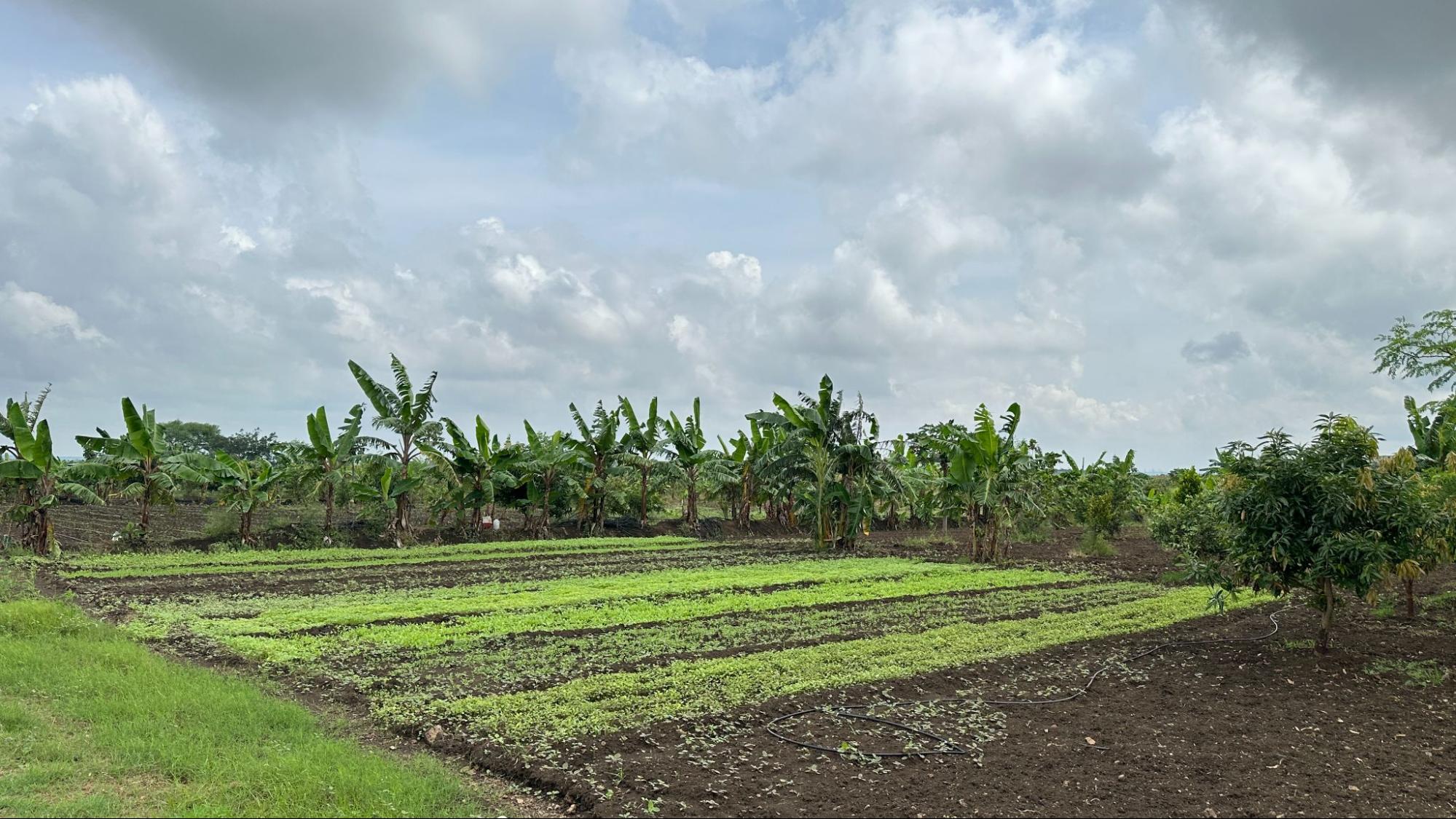
How does Farm Natura practise natural farming differently?
Farm Natura located at Kandukur, Hyderabad, in the Bharat Future City Green Corridor is India's first natural farming estate and a working proof of what regenerative agriculture can achieve.
Our Farm Natura Natural Farming Methods
- Seven Years of Soil Revival: Before inviting residents or investors, the land underwent seven full years of natural healing through cow-based microbial enrichment and biodiversity integration.
- On-Farm Preparations:
- Jeevamrutham to activate soil microbes.
- Beejamrutham to naturally coat and protect seeds.
- Neemastra and Agniastra to repel pests using plant and cow-based solutions.
- Zero Chemicals, Zero Hybrids: Only native seeds and cow-based farming techniques are practiced here.
- Forest-Integrated Design: Surrounded by 4,000+ acres of reserve forest, the micro-climate supports biodiversity and pollination cycles.
- Managed Experience: Every farmland plot is fully maintained by experts and the owners receive produce, soil reports, and peace of mind.
For those seeking farm lands for sale in Hyderabad, Farm Natura offers more than property, it offers a living, breathing ecosystem. Here, the soil heals, families eat clean, and legacy grows with time.
How can we improve soil fertility naturally across India?
India's agricultural wisdom is rooted in natural harmony, a balance between cow, crop, and soil.
The Farm Natura natural farming methods revive this indigenous knowledge at a time when the world needs it most.
By restoring soil carbon, water retention, and microbial diversity, natural farming benefits over organic extend far beyond yield:
- It increases nutrient density in food.
- Cuts farmer dependency on external suppliers.
- Improves biodiversity and climate resilience.
- Generates healthier ecosystems and stronger communities.
As cities expand and farmlands shrink, projects like Farm Natura represent a new direction in lifestyle-first farmlands that make sustainable living aspirational and achievable.
What's next for food and farming in India - beyond organic?
Organic was the beginning.
Natural is the evolution and going back to our roots.
At Farm Natura, every acre is proof that cow-based natural farming can heal the soil, feed families, and grow legacy all at once.
This is not just about food; it's about rediscovering a way of life.
📍 Visit Farm Natura — where the soil still remembers how to live.
Frequently Asked Questions (FAQ)
What is the biggest problem for organic farmers?
Organic farmers often depend on external organic inputs, leading to higher costs and inconsistent availability. Without self-sufficient soil fertility cycles, organic farms face yield drops and unsustainable economics. Natural farming eliminates this dependency through cow-based preparations like Jeevamrutham and Beejamrutham.
Which is better, natural or organic?
In the long term, natural farming is better than organic because it focuses on building soil ecosystems rather than replacing inputs. It delivers sustainable fertility, biodiversity, and resilience while reducing costs for farmers.
Why did organic farming fail in India?
Organic farming in India didn't fail, it stagnated. Certification complexities, input costs, and lack of local biomass limited its scalability. Natural farming, however, uses cow-based farming techniques and local resources, making it more practical and regenerative for Indian soils and climates.